

Ready for a Life Reset? Start Here.
Life gets busy. Our routines change, priorities shift, and somewhere along the way, the habits that once worked for us can start working against us.
Every now and then, it’s worth hitting pause and taking a good look at how we’re spending our time, what’s taking up our mental space, and whether our daily habits actually support the life we want to live.
This isn’t about completely reinventing yourself or adding another 47 things to your to-do list.
It’s about simplifying, reorganizing, and making a few intentional changes that help you feel more in control of your time, your space, your habits, and your goals.
Think of it as a little life glow-up.
Here are 11 simple ways to fine-tune your home, your habits, your routines, and your goals—and start creating a life that feels a little more like the one you actually want.
You Don’t Need a Gym to Get a Great Workout
You don’t need a fancy gym, a room full of equipment, or hours of free time to stay fit.
One of the best things about training at home is that it gives you flexibility. You can get your workout done before the kids wake up, between meetings, after work, or whenever you can carve out a little time for yourself.
And while there’s something I still love about walking into a gym and getting after it, training at home can be surprisingly effective with the right programming, a little creativity, and a few basic pieces of equipment.
The benefits of regular exercise for physical health, mental well-being, and stress management are well established. The Mayo Clinic reports that virtually any form of exercise can act as a stress reliever. Movement stimulates the release of feel-good chemicals, helps calm the mind, and can improve your mood.
And it doesn’t have to be a hardcore workout.
Daily movement—even something as simple as walking—can help:
- Improve digestion
- Reduce feelings of bloating
- Improve mood
- Increase blood flow
- Reduce brain fog
- Improve sleep
- Support mental well-being
- Improve endurance
- Reduce aches and stiffness
- Boost creativity
Sometimes the best workout is simply the one you can actually fit into your day.
Home Training Can Be Seriously Effective
As a reformed gym diva, I’ll admit it: I used to think nothing could replace a proper gym workout.
I’ve changed my mind.
With thoughtful programming, progressive overload, and a little creativity, you can build strength, maintain muscle, improve your fitness, and get a seriously good workout at home.
You don’t need a massive home gym, either.
A few well-chosen pieces of equipment, a designated space to get it done, and a straightforward program can give you everything you need to train consistently.
There’s another benefit: convenience.
No driving to the gym. No waiting for equipment. No packing a gym bag. No excuse that you “didn’t have time.”
Your workout is right there.
Whether you train at home, in a commercial gym, or a combination of the two, the goal is the same: find a way of training that fits your life well enough that you can actually stick with it.
Because staying strong, fit, and healthy isn’t about what you do for a few weeks.
It’s about building habits you can keep doing for years.
Sometimes, that starts with simply making it easier to get your workout done.
Declutter Your Space, Clear Your Head
There is no shortage of things to clean, wipe down, dust, vacuum, organize, and reorganize in any home.
I have a dog (furmaggedon), two boys, and a house that is very much lived in. Cleaning happens around here—but somehow, it never seems to stay that way for very long.
Can you relate?
But there’s something satisfying about getting your space back under control. Cleaning and decluttering can be a great way to get moving, feel productive, and see an immediate payoff from your hard work.
And sometimes, clearing out the physical clutter can help clear some of the mental clutter, too.
You don’t need to tackle the entire house in one weekend. Pick one area and start there.
Go through your:
- Closet and dresser drawers
- Kids’ clothes and toys
- Kitchen cupboards and drawers
- Bathroom cabinets
- Basement, garage, or storage spaces
- That dreaded “junk drawer” we all have
Ask yourself:
Do I use it? Do I need it? Do I actually like it?
If the answer is no, it might be time to let it go.
Sell items that still have value, donate things someone else could use, and recycle or toss what has truly reached the end of its life.
For items worth selling, platforms like Kijiji, Facebook Marketplace, and eBay can make it easy to turn some of your clutter into a little extra cash.
You don’t need a perfectly organized Pinterest-worthy house.
You just need a space that works for you—and doesn’t make you want to hide every time someone says, “I’m stopping by in 10 minutes.”
Start Planning Your Next Adventure
It’s never too early—or too late—to start planning a trip you’ve been dreaming about.
You don’t have to book anything right away. Sometimes half the fun is researching the destination, pricing things out, building a rough itinerary, and imagining yourself there.
And you can do all of that from the comfort of your own home.
Start by thinking about the big pieces of your trip:
- Flights and transportation
- Accommodation
- Food and drinks
- Activities and excursions
- Fitness facilities or spa time
- Entertainment
- Travel insurance
- Spending money and extras
I use Travelocity for reviews and Expedia to research destinations, compare options, and get a sense of what a trip might actually cost.
Pinterest is also a great source of inspiration. Search a destination you’re dreaming about—Fiji, Thailand, Italy, Scotland, wherever—and you’ll quickly have more ideas than you know what to do with.
Make Your Dream Trip a Goal
Here’s the part that makes the dream feel a little more real: start saving for it.
You don’t need to put away hundreds of dollars every month. Even $25 a week adds up to $1,300 over a year.
Set up a separate savings account, automate a weekly transfer, and give that account a name that makes you smile.
Because there’s something pretty motivating about watching your “Thailand Fund” or “European Adventure Fund” grow every week.
You don’t have to know exactly when you’re going.
Start dreaming. Start researching. Start saving.
Future you will be very happy you did.
Tackle Those House Projects
There is no shortage of house projects that tend to fall into the “I’ll get to it when I have the time” category.
You know the ones.
That room that needs painting. The furniture you’ve been meaning to rearrange. The gallery wall you’ve been thinking about. The bathroom that could use a refresh.
Start by taking inventory of the smaller projects around your home. Walk through each room and make a master list of what you’d like to tackle.
For each project, note:
- What needs to be done
- What supplies you’ll need
- Approximately how long it will take
- Whether it can be completed in a day or needs more planning
Then start knocking them off the list.
Larger projects could include giving a room a fresh coat of paint, completely redesigning a space with new furniture and accents, or going all out with a kitchen or bathroom renovation.
Need some inspiration before you start?
Pinterest, Wayfair, and Houzz are great resources for decorating ideas, furniture, home projects, and renovation inspiration.
You don’t have to tackle everything at once. Pick one project, make a plan, and get it done.
There is something incredibly satisfying about finally checking that “I’ll get to it someday” project off your list.
Build Better Nutrition Habits
The path to good health isn’t complicated: move your body, eat well, and build habits you can actually maintain.
One of the best things you can do for your nutrition is become more comfortable in your own kitchen.
Cooking at home gives you more control over what goes into your meals, makes it easier to plan ahead, and can help you develop habits that support your goals long-term.
You don’t need to become a master chef or spend your entire Sunday meal-prepping.
Start simple.
Take some time each week to:
- Plan a few meals
- Make a grocery list
- Shop with a plan
- Prep a few ingredients or meals ahead of time
- Try a new recipe
- Experiment with a new fruit, vegetable, or ingredient
- Read food labels and learn what’s actually in the foods you’re buying
And don’t be afraid to get the family involved.
Cooking together can be a great way to spend time together, teach kids valuable life skills, and maybe even discover that your little sous chef has some serious kitchen potential.
The goal isn’t to make every meal from scratch or eat “perfectly.”
It’s to become more confident with food, develop practical habits, and create a way of eating that works for your real life.
Combine Movement With Connection
When life gets busy, it can be hard to find the time to catch up with family and friends.
So why not combine the two?
I often “life hack” my phone conversations by heading outside for a walk while chatting on the phone with my Bluetooth wireless earbuds—preferably somewhere safe and away from busy traffic.
That way, I can get some movement in, get outside, catch up with someone I care about, and do something good for both my body and my mental well-being.
It’s a simple reminder that exercise doesn’t always have to mean a structured workout.
Sometimes it’s a walk around the neighbourhood while talking to your best friend.
And when you can’t connect in person, technology makes it pretty easy to stay connected.
Zoom, FaceTime, Facebook Video Messenger, and Skype are all great options for catching up, seeing familiar faces, sharing what’s new, and maintaining those relationships that matter.
Because taking care of yourself isn’t just about workouts and nutrition.
Connection matters, too.
Give Your Technology a Little Glow-Up
If the only certainties in life are death and taxes, maybe digital clutter deserves to be #3.
Our phones and computers have become command centres for just about everything—photos, contacts, calendars, passwords, work, fitness, shopping, social media, and approximately 4,000 apps we downloaded once and forgot about.
So why not give your digital life a little attention, too?
Take some time to clean up, organize, and simplify your technology. You might be surprised how much better it feels when your phone isn’t overflowing with apps, screenshots, notifications, and photos you don’t need.
I. Apps
There is no shortage of apps designed to help you become a better version of yourself. There are apps for mindfulness, stress management, organization, workouts, nutrition, sleep, finances, and even helping you spend less time on your phone.
Start by scrolling through your apps and asking yourself:
Do I actually use this?
If the answer is no, delete it.
Then organize what’s left into folders so the apps you use regularly are easy to find.
Here are a few of my personal favourites and fitness-related apps I frequently recommend to clients:
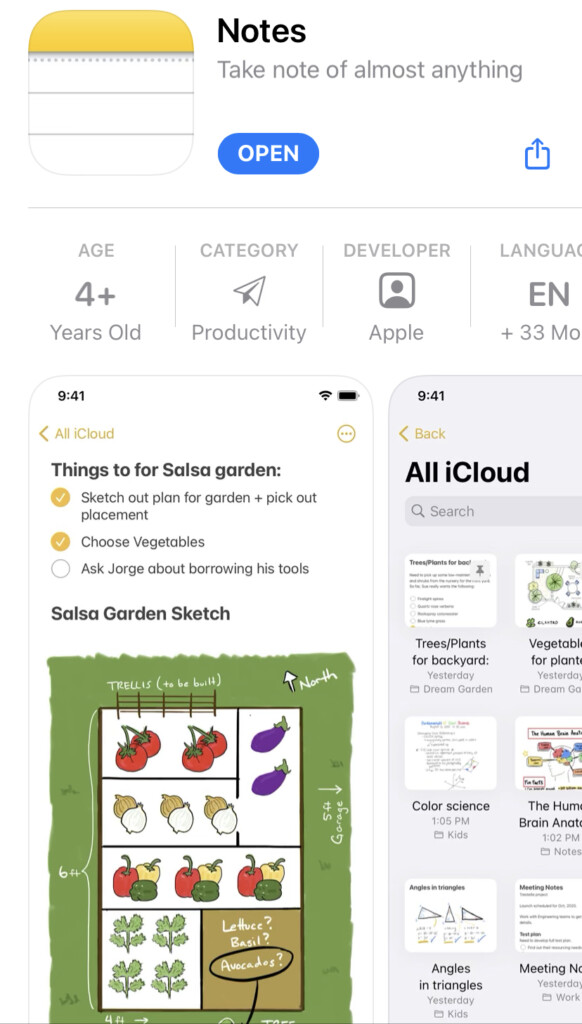
Notes — My go-to for everything from to-do lists and brainstorming to blog ideas, grocery lists, and training programs. Simple, but incredibly useful.
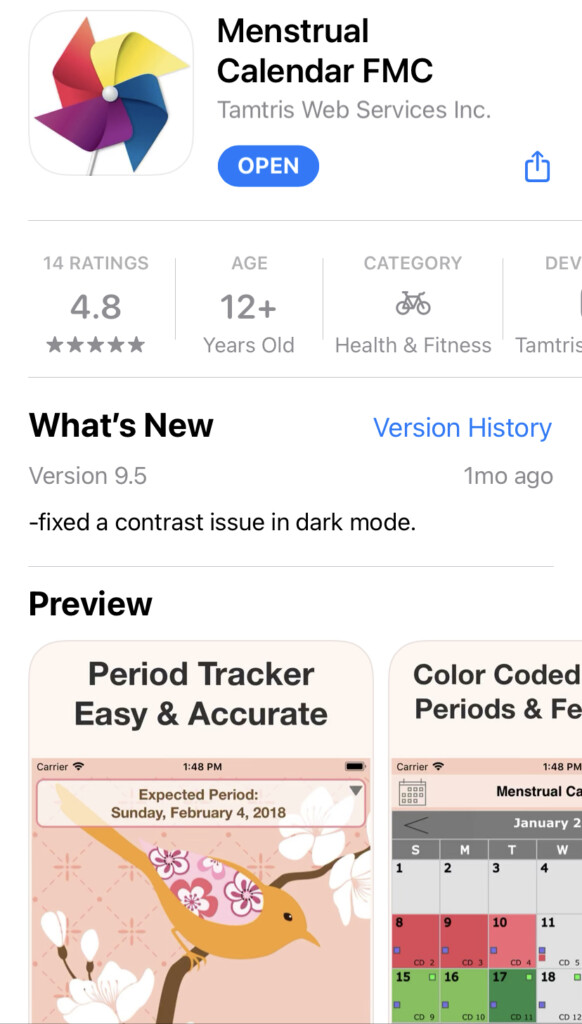
FMC — A menstrual cycle tracking app that can help you keep track of your cycle and recognize patterns in how you’re feeling throughout the month.
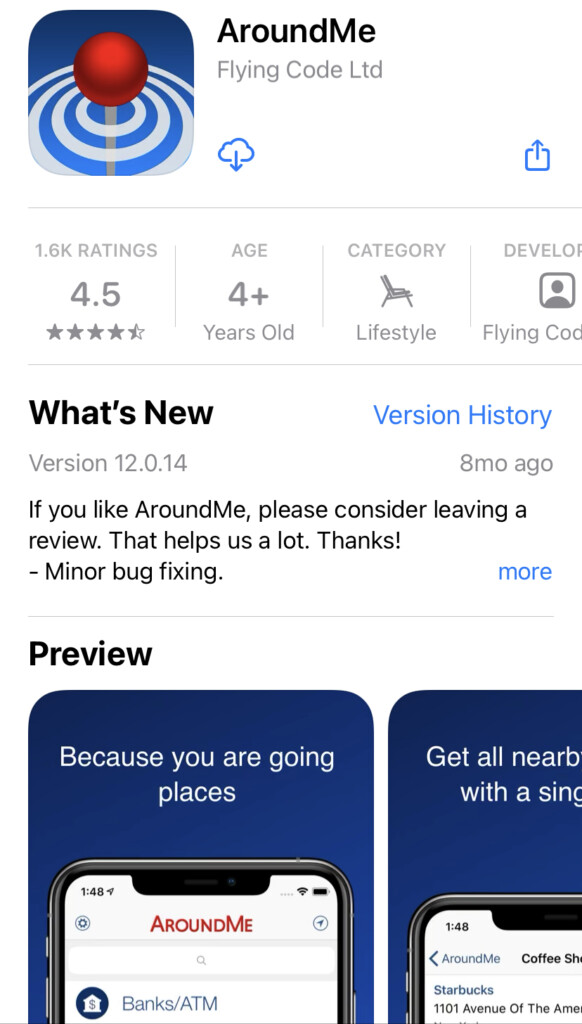
AroundMe — A handy way to find businesses, restaurants, gyms, stores, and other services nearby when you’re somewhere unfamiliar.
MyPTHub — The online coaching platform I use to keep workouts, programs, measurements, progress photos, and nutrition information organized in one place.
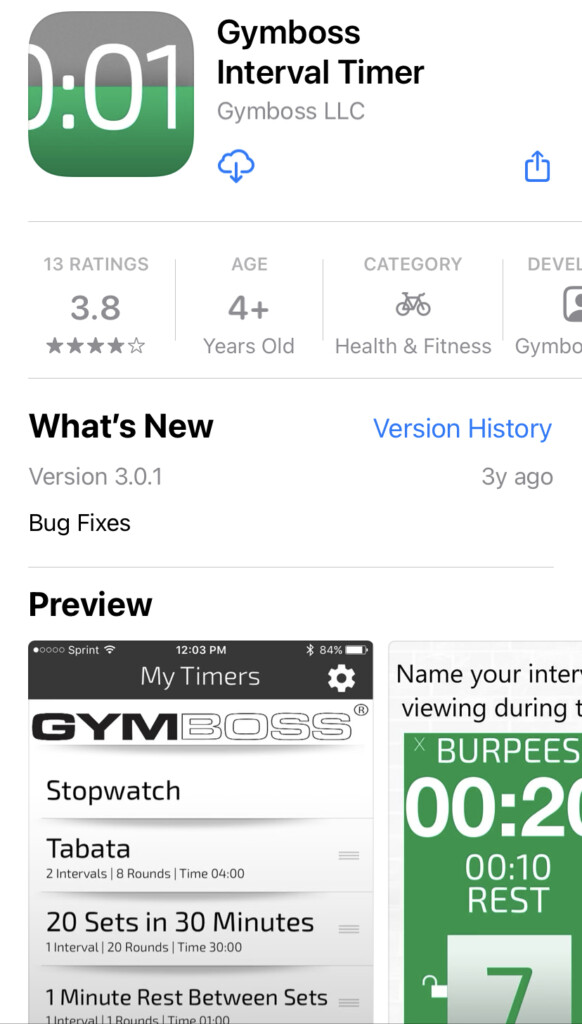
GymBoss Timer — A simple interval timer that lets you create your own work/rest intervals and run it while listening to your music.
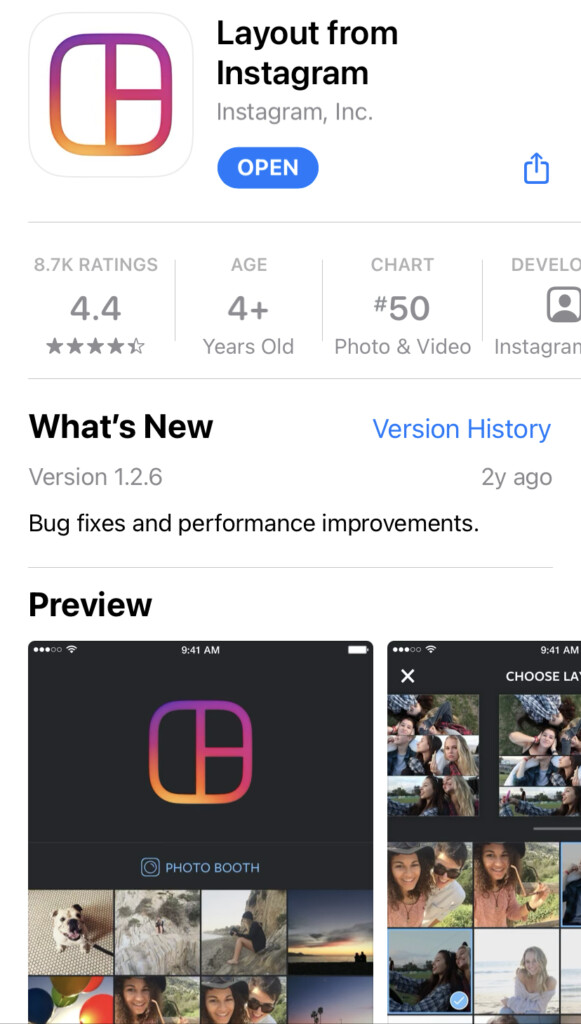
Layout — A quick and easy way to create side-by-side photos and simple image collages.
II. Your Photos
If your camera roll looks anything like mine, you probably have hundreds—or thousands—of photos that you don’t need.
Take some time to:
- Delete blurry or duplicate photos
- Get rid of screenshots you no longer need
- Create albums for important memories
- Back up your favourite photos
- Clear out old videos taking up space
You don’t have to organize your entire photo library in one sitting. Even 15 minutes can make a dent.
III. Your Contacts & Notifications
While you’re cleaning things up, take a look at your contacts and notifications.
Delete old contacts you no longer need, turn off notifications that constantly interrupt you, and unsubscribe from emails you never read.
Your phone should make your life easier—not constantly demand your attention.
A little digital decluttering can go a long way toward making your day feel more organized, less distracting, and a whole lot easier to manage.

Make Time to Read
When life gets busy, the hobbies we enjoy are often the first things to disappear from our schedules.
Reading is one of those “time well wasted” hobbies that can easily get pushed aside when there are a million other things competing for our attention.
But reading doesn’t have to be another item on your productivity checklist.
Sometimes it’s simply nice to sit down, put your phone away, and get lost in a good book.
And if you’re someone who likes to learn, reading is one of the easiest ways to continually expose yourself to new ideas, perspectives, and information.
The good news? There is no shortage of ways to get your reading fix.
Whether you prefer a physical book, Kindle, Amazon Prime, or Audiobooks, you can find something that fits your lifestyle.
Don’t have time to sit down and read?
Listen to a book while you’re walking, driving, cooking, or doing household chores.
And don’t underestimate the value of re-reading a book you’ve already enjoyed. You may discover information, ideas, or little details that you completely missed the first time around. And sometimes, the same book hits differently depending on where you are in life.
What Do I Like to Read?
My personal preference tends to lean toward nonfiction because I love learning something new. I also prefer shorter books, because apparently I have the attention span of a four-year-old, and books with plenty of practical, actionable information.
If you’re looking for somewhere to start, I’ve put together some of my recommended reading lists:
You don’t need to read a book a week—or even finish a book every month.
Start with a few pages before bed. Listen to a chapter while you walk. Pick up something you’ve been meaning to read for years.
Read for knowledge. Read for inspiration. Or just read because you enjoy it.
Not every hobby needs to be productive.
Learn Something New
When was the last time you learned something simply because you wanted to?
You don’t need to enroll in a four-year degree to expand your knowledge or develop a new skill. There are countless ways to learn today, from short online courses and certifications to workshops, podcasts, books, and full university programs.
Maybe there’s a subject you’ve always been curious about. Maybe you want to upgrade your professional skills, start a new career path, finish a degree, or finally learn how to do something you’ve been putting off.
Whatever it is, make learning part of your life.
Udemy and Teachable offer thousands of online courses covering everything from business and technology to photography, fitness, cooking, and personal development.
If you’re looking for something more formal, Athabasca University and University of Phoenix offer online education options, and many colleges and universities now provide flexible online and distance-learning programs.
Before signing up, do a little research:
- What are the prerequisites?
- How much does it cost?
- How long will it take?
- How many hours per week will you need to commit?
- Is it self-paced or instructor-led?
- Will you receive a certification or credential?
- Does it actually move you toward the goal you have in mind?
And don’t overlook learning for the sake of learning.
You don’t always need a career-related reason to take a course. Learn to cook. Learn photography. Learn a language. Take a course on something you’ve always been curious about.
Invest in Yourself
If improving your fitness and nutrition is on your list, there are plenty of ways to learn those skills, too. Understanding how to train properly, build strength, eat for your goals, and create habits you can actually maintain can be just as valuable as any other form of continuing education.
As a former high school math teacher, I believe education is one of the best investments you can make.
You can lose money. You can lose stuff. But what you learn stays with you.
So pick something you’ve always wanted to know more about—and start learning.
Make Time for Family
Life moves fast. Between work, school, activities, errands, appointments, and everything else on the calendar, family time can easily become whatever is left over at the end of the day.
So make it intentional.
You don’t need an elaborate family vacation or a perfectly planned activity. Some of the best memories come from the simplest things—playing a game, going for a walk, cooking dinner together, watching a movie, sitting around the table, or just hanging out without everyone staring at a screen.
Use the time you have to reconnect, laugh, talk, and actually be present with the people you love.
Because the truth is, life isn’t going to slow down for you.
The kids will get older. Schedules will get busier. Everyone will have somewhere else to be.
So enjoy the ordinary moments while they’re happening.
Put the phone down. Play with the kids. Call your parents. Have dinner together. Go for a walk.
You don’t need more time.
You just need to make the time you have count.
Build Better Habits
HABIT | an acquired behavior pattern regularly followed until it has become almost involuntary.
Habits are powerful.
They free up your decision-making.
They help you think less.
They help you prioritize what matters.
And when the right habits become automatic, you don’t have to rely on motivation every day to do the things that are good for you.
The trick is to start small.
You don’t need to overhaul your entire life overnight. Pick a few simple habits that support your physical and mental well-being, practice them consistently, and let them become part of your normal routine.
Here are five simple self-care habits you can work on any time of the year:
I. Sleep | Create a consistent routine
Aim for a relatively consistent bedtime and wake-up time. Your schedule doesn’t have to be perfect, but giving your body some consistency can make it easier to prioritize quality sleep.
II. Drink Water | Stay hydrated
Keep water readily available throughout the day and make hydration part of your routine. A simple place to start is having a glass of water with meals and carrying a water bottle with you.
III. Move | Get your body moving every day
Walk, stretch, lift weights, cycle, swim, or do whatever movement you enjoy.
Aim to move your body every day and include some form of strength training throughout the week. If you’re training at home, check out my home gym equipment essentials for ideas on where to start.
IV. Gratitude | Notice the good stuff
At the end of each day, think of two to five things that went well.
They don’t have to be profound. A great workout, a good cup of coffee, a funny conversation, sunshine, or finally getting that annoying thing checked off your list all count.
V. Nutrition | Build a foundation of good food
Focus on eating mostly minimally processed, nutrient-dense foods. Include plenty of fruits and vegetables, lean sources of protein, whole grains or other quality carbohydrates, and healthy fats.
You don’t need to eat perfectly.
You need a way of eating that supports your goals and that you can actually stick with.
The goal with habits isn’t perfection.
It’s consistency.
Small things, repeated often, become the things that shape how you feel, how you move, and how you live.
Make the Most of the Time You Have
Life doesn’t always go according to plan.
Schedules change. Priorities shift. Things get busy. And sometimes we find ourselves with an opportunity to step back and reassess how we’re spending our time and energy.
Instead of focusing on everything you can’t control, shift your attention toward what you can control.
How you spend your time.
How you take care of your body.
The habits you build.
The space you live in.
The people you make time for.
The goals you’ve been putting off.
Think of it as a glass-half-full opportunity.
A chance to slow down, clear out some of the clutter, learn something new, reconnect with the people who matter, and finally tackle some of those projects you’ve been putting on the “someday” list.
You don’t need to completely reinvent your life.
Sometimes a few small changes can create a pretty significant shift.
So use this as your reminder to move your body, clean out your closet, organize your life, learn something new, make time for your family, and start working toward the things you’ve been saying you’ll get to someday.
Because someday is not a plan.
Start where you are. Use what you have. And make the most of the life you’ve got.

Even the most consistent gym-goers lose motivation sometimes. Try these simple strategies to get your fitness mojo back.

Welcome to another 5-Minute Monday --This week we cover Ozempic, weight loss expectations, eat less move more, and client results.

Weight gain can happen gradually over time, while strength training helps you build muscle and improve health at any age.

Welcome to another 5-Minute Monday! Discussing weight loss, lifestyle and limiting factors in gym and online.

